Where maths begins with wonder
A qualified Brisbane teacher, not a franchise
A warm, play-based introduction to numbers for children aged 3 to 6, built on curiosity, confidence and a child-friendly abacus. Every session is delivered in person by Karin Jordaan, across Brisbane and South East Queensland.
Pibbly is an early childhood numeracy program designed for children aged 3 to 6, running in early learning services across Brisbane and South East Queensland. Using a single-rod soroban, children learn to see, touch and move numbers in a concrete way before moving toward mental maths concepts later on.
Sessions run weekly during the centre day, in small groups of up to eight children. Thirty minutes for ages 3 to 5, and forty-five minutes for age 6.
Our sessions are playful, relaxed and hands-on. Children explore number recognition, counting, quantity, simple addition, taking away, patterns and mathematical language through short, age-appropriate activities.
Pibbly is designed to complement early childhood learning environments and is inspired by play-based approaches used in early childhood education, including the Early Years Learning Framework (EYLF) and the Queensland Kindergarten Learning Guideline (QKLG).
Why I built Pibbly
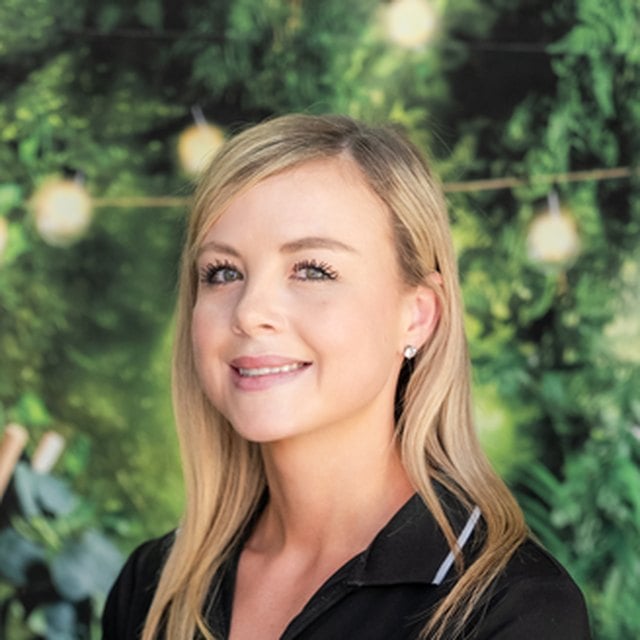
My love for the soroban began in 2018, when I trained as an abacus sensei and achieved my Kyu Level 8 qualification. I began teaching children from as young as two, and I still remember how surprising it was to watch such young learners begin to understand what the beads represented.
They were not simply memorising answers. They were touching, moving, counting, experimenting and gradually making sense of numbers in a way they could see and feel.
That experience stayed with me.
I am a qualified secondary mathematics teacher, and in a former role I was Head of Mathematics at a primary school. In my classroom, I often introduced elements of abacus learning, including counting strategies, number patterns and Flash Anzan-style activities. I found that these approaches could give students who struggled with traditional written mathematics another way into the problem. For some children, maths began to feel less intimidating because they could finally picture what the numbers were doing.
After moving into early childhood education, I began looking at the soroban through a different lens. I could see how naturally it supported the way young children already learn: through movement, repetition, play and hands-on discovery.
Pibbly grew from the meeting point between these two parts of my teaching journey: my experience as a mathematics educator and my belief in playful, meaningful early learning.
I created Pibbly to bring quiet, joyful number discovery into the places where little ones already feel at home: their early learning centre, kindy or home. Our resources are designed to help children explore numbers gradually, build strong foundations and experience the feeling that matters most in early mathematics:
“I can do this.”
Because a small moment of understanding can create a ripple that lasts far beyond the lesson.
Every session is delivered by me in person, within your centre’s own routines and supervision. Registered with the Queensland College of Teachers (QCT registration 941640), and a current Blue Card holder.I’m always happy to share verification with centres and families before we begin.
Karin Jordaan
What happens in a Pibbly session?
About thirty unhurried minutes: short, playful and calm, in four parts.
- 1
A warm welcome
Children gather on the mat for a calm, familiar start: a hello song and a quick look at today's pebble or bead idea.
- 2
Counting play and stories
Songs, movement and a short number story warm everyone up, so maths arrives wrapped in play rather than pressure.
- 3
Hands-on bead time
Each child explores their own child-friendly soroban, sliding beads, building quantities, noticing patterns, celebrating small wins.
- 4
A little ripple home
A simple take-home play prompt lets families carry the wonder into the week. No worksheets, just a moment of number play.